百集大型纪录片《中国通史》由央视电影频道节目中心制作出品、中国社 会科学院监制、中国社会科学院历史研究所组织 撰稿并邀请国内多家重点大学、专业机构的研究 人员共同参与创作。 为了让广大观众先行了解其面貌,并听取各 方面意见,不断提高拍摄质量,电影频道从已经 拍摄完成的作品中,选出有关魏晋南北朝到隋唐 时期的7集先行播出,1月21日至27日晚8:50, 观众将分别看到《诸葛亮治蜀》、《魏晋风 度》、《北魏孝文帝改革》、《梁武帝治国》、 《魏晋佛教》、《再造统一》和《炀帝功过》。
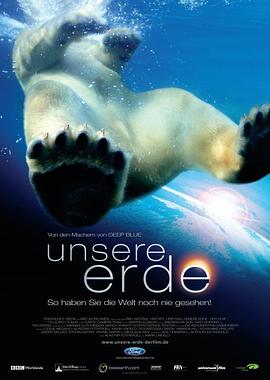
电视系列片"行星地球"(2006)的电影版本,拍摄了几个动物家庭的迁徙路线。 一部由英国BBC和德国联合制作的关于地球、大自然的纪录片,用了将近3年的时间,通过对地球生命的神秘实录,通过表现大自然美丽景象与野生动物纯粹的生死之搏的真实纪录,再配合柏林爱乐乐团的美妙配乐,将地球的魅力在大银幕上毫无保留的完美呈现出来,旨在呼吁人们保护环境。 由阿拉斯泰尔·福斯基尔(Alastair Forthergill)和他的团队穿越7大洲、62个国家、用45部摄像机耗费5年时间精心制作的纪录片,向我们展现了全球变暖时代动物的迁徙和生活的改变,大自然的宏伟壮观、生命的脆弱和坚强、变迁的无常。整部影片的场面和音乐从头至尾都让我们深深震撼……2007年10月法国上映。
2012年,荷兰哈伦小镇的一名少女在Facebook上为自己的16岁生日派对创建了一个活动,却错误地将私密派对设置成了公开。受好莱坞电影《X计划》的启发,荷兰青少年们将这个活动迅速传播开来,很快便有成千上万的人报名参加。 尽管警方和当地政府发出警告,但他们仍然认为不会有人来参加。由于没有为抵达哈伦的大量年轻人提供任何招待,派对很快就演变成一场全面的骚乱。
聚焦国际象棋最伟大的女棋手、史上最知名的天才棋手之一“小波尔加”Judit Polgar。彼时国际象棋界由男性统治,女性被认为不如男人,不被允许加入男性参加的锦标赛,“不具备理解象棋的智力和能够擅长象棋的性格特征”。此时,一个12岁的匈牙利女学生横空出世……
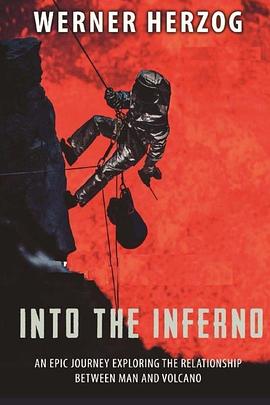
一部探索世界上不同活火山的纪录片。
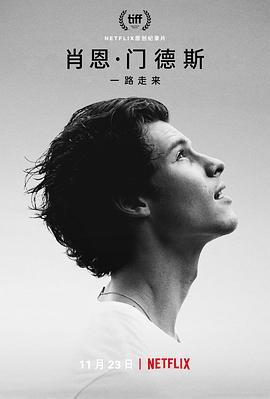
这部纪录片由资深音乐录影带导演格兰特·辛格执导,以亲密的视角纪录了蒙德兹过去几年的生活和旅程。
柬埔寨,被屠杀的摇滚 因摇滚乐而获罪,我想 史上最为著名的当然是宇宙塑胶人。1976年此乐团吸引了一个忠实的粉丝,那时候该歌迷还是剧作家,他的文集要到很多年才传到我们手里。不久后,这帮坏小子被投进大牢,事实上他们的音乐完全无关政治 ——原因只是吸毒酗酒聚众滥交以及乐器分贝过高这些所谓的摇滚生活罢了。刑期并不长,几个月到一两年不等,但是这场短暂的牢狱之灾让他们青史留名——剧作家被惹怒了,他发动援救抗议活动,并藉此走上政途。接着便是10年后光彩的丝绒革命让这位宇宙塑胶人的铁粉当上了捷克总统。众多关于这个传奇乐团的文章开头都是,一个唱垮了政权的传奇摇滚乐团。 是的,尽管身陷囹圄,但西方人所说的真理毕竟还在摇滚乐手们这边。而他们坐牢的差不多同一年,在离捷克异常遥远的东南亚,因为音乐,有无数个摇滚乐手被砍下脑袋,连名字都没能留下。
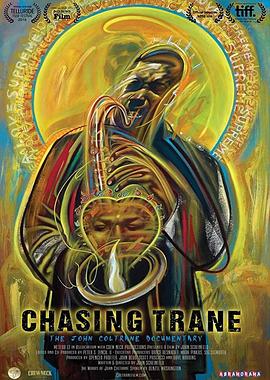
这部纪录片包含访谈、见解和档案影像,为我们揭示历史事件是如何塑造了约翰·克特兰的音乐。
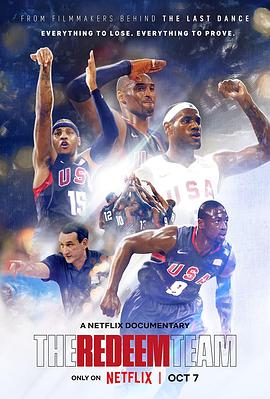
《救赎之队:2008 美国男篮奥运梦》收录了前所未有的奥运片段和幕后花絮,讲述了继美国男篮在四年前的雅典奥运会上失利后,重征 2008 年北京奥运会的历程。这部纪录片生动刻画了球队如何培养默契,并对德维恩·韦德、勒布朗·詹姆斯、迈克·克日泽夫斯基(K 教练)等运动员和教练进行了深入访谈,他们回顾了“救赎之队”如何为美国篮球树立了新标准。
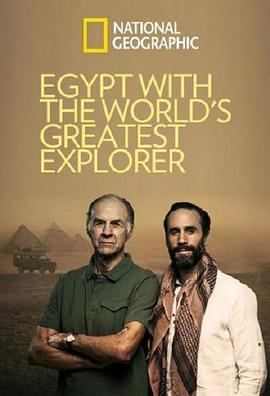
约瑟夫·费因斯将与他的表叔——世界顶尖探险家、徒步穿越南极洲第一人(与Mike Stroud一起)雷纳夫·费因斯爵士一起为国家地理拍摄3集纪录剧《Fiennes: Return to the Nile》。叔侄携手探索尼罗河,重走近50年前雷纳夫·费因斯走白尼罗河的老路。当时他开着气垫船,从地中海上的亚历山大港到了尼罗河的源头维多利亚湖。如今轮到表侄子约瑟夫来探险,这部剧集就看他是否也能办到,是否有成为探险家的潜质。途中他们还将体验埃及闽亚新发现的一个约2000年前的墓穴,以及当地传统的对付蛇和蜘蛛的招数Tachtib等。2019年在国家地理开播。
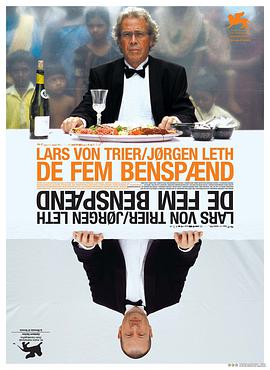
1967年,丹麦电影导演乔根·莱斯(Jørgen Leth)创作出颇具实验色彩的作品《完美的人(Det perfekte menneske)》。也许乔根本人都没料到,四十多年后,他的作品竟会以如此奇特的方式被人记起和关注。始作俑者拉斯·冯·特里尔,Dogma95的发起者,他邀请乔森按照常识(challenge on the technique)、表达手段(absence of figure)、自由发挥(challenge on personal limit)、动画(形式的多样化)、内容(deprivation of contents)等电影创作的五种基本形式重拍《完美的人》,且在重拍基础上还要进行再创造。周旋于孟买、哈瓦那、布鲁塞尔等地,一部奇特的电影人之间的互搏悄悄诞生…… 本片荣获2004年Motovun电影节国际影评人费比西奖。
每天早上,我的母亲总是先于我醒来,她会先准备好我的午餐,然后出门。 每天傍晚,我的母亲会在外面吃过晚餐之后才回家,静静地梳洗完毕后就又回到属于她的房间,打开收音机关上房门,在晚上九点睡去。 我们生活在相同的空间里,但几十年来,我们就像是同个屋檐下的陌生人,唯一的交集是她为我准备的吃食,我们之间没有嘘寒问暖、没有母女间的心里话、没有“我爱你”。 当我注视着她,我知道在那震耳欲聋的沉默之下,藏着让她难以面对、无法言说的秘密。我知道在紧闭的双唇背后,是令她窒息且摆脱不去的耻辱。 这天,我终于鼓起勇气与她开启对话,但我真的准备去好面对她将给出的答案了吗? 我们又是否都能够好好面对那些已经被埋藏许久的过去?
The history of mankind is a never-ending story of change, revolution, and evolution, but surely no span of a hundred years can claim to have changed the world so dramatically as the Twentieth Century. In this series we examine the 101 Events which, in the judgment of experts, including those who contribute to the series, most influentially shaped the century, our world, and our way of life.