一周的偶像,由韩国资深娱乐节目主持人郑亨敦与嘻哈歌手Defconn双人组合,针对最新韩流发烧娱乐话题,每集专访一组粉丝最爱的偶像团体。由主持人与偶像成员的快问快答,充满爆笑与即时性的综艺效果。另外,节目亲临偶像出没场所,对粉丝公开偶像地图,且用监视摄影机,偷偷纪录偶像们面对突发状况的行为反应,每周带来韩流偶像难得一见的模样。
说到美国人玩综艺节目,他们可是世界综艺的鼻祖!用句时髦的话讲叫做他们城会玩!近些年来,无论是国内还是国外,综艺节目都受广大观众的追捧!这也促使很多娱乐公司不断创新综艺节目的卖点。
很多事情,就发生在我们身边,我们却浑然不知... 这些事情,我们视为理所当然,却不知道其中的道理为何... 现在,我们就一起解密发生在身边的各种被我们忽视的奇妙事件~ 第一集 人体的奥秘 我们都是成功者!因为我们在几亿个精子中脱颖而出!关于人类的受精过程有着怎样的坎坷?咱们为什么会有隔代遗传?人为什么会放屁?感冒是咋回事儿?人体就是寄生虫乐园?!饶了我吧!咱们一起解开人体的那些奥秘! 第二集 宇宙的奥秘 大爆炸理论谁不知道啊~问题是,这个理论到底是肿么回事儿?科学家都搞不懂啊~我们的宇宙从何而来?发展方向如何?又将如何结束?除了我们,还有没有地外生命?平行宇宙到底是个啥?别着急,睁大眼睛!我们一起奔向宇宙吧! 第三集 天气的奥秘 天气预报也太不准了!地球人都吃过天气预报的亏!可是,为什么这么不准还有存在的必要呢?刮风下雨冰雹雪花,这都是怎么出现的?春夏秋冬为什么一直按顺序交替?微气候是什么?关于天气的各种疑问将会在这个片子中得到解答~还等什么。
我们为什么要买东西?谁让这个世界变得无节制消费?他们如何做到这一点?调查记者雅克•佩雷蒂审视了无节制消费潮流背后的机制,得出了答案。原来,使这个世界变得无节制消费的元凶,并不是人们普遍认为的广告员和市场推广员,而是这诸多因素背后那些首先改变产品然后改变我们的人们。纪录片表明,长久以来,制造商都梦想着在消费者大脑中植入“升级”观念,从而让无限消费成为现实。他们首先瞄准未被开发的儿童市场,学习应用向儿童销售的方法,从而增加向成年人的销售。但是,那头最肥的能够带来现金的奶牛却来自恐惧——通过挖掘消费者的恐惧,制造商发现了一个对健康和安全产品有巨大需求的世界。
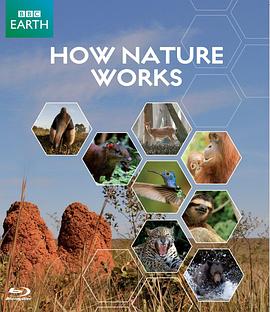
是什么给雨林带来独一无二的勃勃生机?是什么造就草原动物的矫健身形?是什么帮助森林生物安然度过气候剧变?又是什么让营养极易流失的水世界异彩纷呈?在我们熟知的环境中,大自然所敲打出的清晰节奏,一切看似平常的自然现象,背后又有怎样的玄机? 6月24日至27日,英国广播公司(BBC)与美国国家地理频道(NGC)联手打造的又一纪录片力作《自然的运作》,将登陆央视综合频道(CCTV-1)晚间十点半档的“魅力纪录”栏目,该片将带领我们走进地球生物最重要的四大栖息地——雨林、草原、季节性森林与水世界,揭秘这些地域生态平衡背后的自然运作法则。 地球是1000万物种的家园,但是没有任何物种能够独立生存,所有的生命都相互依存、彼此联系,这些联系出人意料、错综复杂。要想揭开这些关系,是一项浩大的工程,而该片巧妙地选取了四种极具典型特征的栖息地类型:雨林、草原、季节性森林与水世界,运用多层次、多角度的拍摄手法,清晰呈现出四大栖息地全景及其内部结构。片中,我们不仅能跟随航拍镜头欣赏到大自然的奇丽景色,还能透过微型摄像机一探小型动物们的生存奥秘。英国《观察家报》对该片评价道,“奇妙的科学,生动的展示,丰富的知识,十分完美”,相信该片将为您的夏日带来清新感受。 生物关系 物种生存法宝 透过片中一个个镜头,我们将看到,原来两种看似毫不相关的生物之间竟有极为密切的关系。动植物之间的所有关系类型——竞争、捕食、共生、寄生,在片中都能一一找到鲜活的例证。例如,在非洲大草原,金合欢树与蚂蚁互利共生,金合欢树从蚁巢获得营养,蚂蚁则得以在金合欢树树枝的尖刺之间建立自己的临时居所。共生关系下的强强联手不仅可以衣食无忧,更能击退天敌。当长颈鹿吞食金合欢树的树叶时,就会被金合欢树的尖刺与蚂蚁放出的毒液左右夹击,溃败而逃。而在捕食关系中,最典型的,就要数世界上体型最大的动物——鲸鲨,掠食世界上体型最小的生物——浮游生物了。 微距拍摄 捕捉微处精彩 自然界中充满了微小生物,人类用肉眼看不清甚至看不见,但它们的的确确是自然界重要的一份子。为了全面呈现这些微小生物,该片摄制组可谓“无所不用其极”。在《雨林》一集中,微距镜头为我们拍摄到了世界上最小的鸟——蜂鸟的觅食画面。蜂鸟们每秒能扇动50次翅膀,每一次扇动都被镜头捕捉下来。镜头下蜂鸟的拼命劲儿,更衬托出它们吸食花蜜时,那种狼吞虎咽的神态,怪不得被称为“天生对花蜜没有抵抗力的动物”。镜头再近一些,你甚至会发现,每一种蜂鸟的喙大小形状都不同,这样我们就能容易理解,为什么这些无蜜不欢的“贪吃鬼”,其每一个种类只能吃到一种花蜜了。 其他场景,如香蕉蛞蝓的6根触须、真菌一分一毫的生长、细如微尘的浮游生物等等,我们都能通过微距镜头看得清清楚楚。这些精致的画面增加了该片的镜头容量,与航拍的宏大场景相互补充,为画面更添层次感。 三维动画 展现自然宏景 生动立体的三维动画是该片的又一大亮点。三维动画保证了故事在完整叙述上,不会受到时间与空间突变的影响。例如,摄制组在寻找白蚁的旅程中,先后穿越亚洲、非洲的大草原。空间的这一巨大变化,通过三维动画地球向东转动的画面,镜头就从亚洲草原自然过渡到非洲草原,而白蚁的故事仍在继续。 在讲述巨大的生物网络时,三维动画也发挥了意想不到的作用。在《季节性森林》一集,树木与真菌在地下无限延伸,形成了一个庞大的根系网络。如此巨大的地下网络全景,无法通过摄像机进行拍摄实景,然而,三维动画克服了这一障碍。该片通过动画模拟,我们可以清晰地看到根系网络的结构、规模与分布。同时,主创团队还别具匠心地将树木与真菌的根系网络用不同颜色区分开来,让我们清楚地看到能量物质在这两个网络中如何流动。 声画结合 打造真实意境 最后值得一提的是,片中的大量音乐,随着动植物的情态和景别的变换而起伏,或灵动,或悠扬,或激烈,或激昂,配合高清的画面,更为观众带来身临其境的感受。 分集简介 第一集 雨林 本集节目将带领观众探索雨林,解开关于雨林的最大谜团:为什么雨林中会生活着大量令人眼花缭乱的生物?其多样性为何会远远超出地球上其他的生物栖息地?摄制组将带我们探寻巴拿马和婆罗洲,揭示猩猩、森林象等大型动物对保护雨林生物多样性的重要作用。在亚马逊雨林,我们将亲眼目睹以巴西坚果树为中心,复杂而奇妙的生态关系网。 第二集 草原 本集节目将带领我们探索地球上最重要的生态系统之一——草原生态系统的运作方式。在肯尼亚,我们将了解到草原与犀牛的关系;在巴西塞拉多大草原,我们将了解鬃狼依靠狼果获取生存所需的氮元素;在澳大利亚,我们将见到袋狸、小袋鼠、袋鼬等草原居民;回到东非,我们将近距离观察到金合欢树周围所形成的奇异生态系统。 第三集 季节性森林 本集节目将展现北美洲季节性雨林在一年中经历的两次剧烈变化。这种剧烈变化要求栖息于此的生物,以及整个生态系统自身也要在同一时间发生转变,而实现这种转变的前提条件是,雨林中所有动物都拥有高度的同步性。本集中,观众将看到毛毛虫对森林树冠层生长起到的决定性作用,以及棕熊捕鱼对森林所产生的重要影响等。 第四集 水世界 在本集中,摄制组将走遍世界,展开一场对水的探索之旅。这场旅程从北大西洋中的冰岛开始,随后跨越半个地球,来到南美洲最大的湿地——潘塔纳尔湿地;然后前往位于孟加拉国横河河口的桑德班斯红树林湿地;接下来,摄制组会将目光投向海洋,探索马尔代夫的珊瑚礁,在那里解开珊瑚礁群的生长之谜;最后,潜入深海,揭示洋流将流失的营养物质送往海床的整个过程。
Bombing of Germany explores the role bombing played in the course of the Second World War. Discover in detail how the British and American bombing campaigns against Germany were carried out and what they were designed to achieve. In this programme see interviews with veterans, historians, and ethicists from countries engaged in WWII as this film recounts the story of the British and American bombing campaigns against Germany.
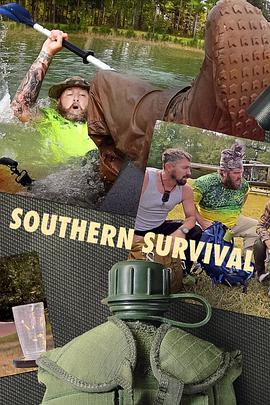
野战集装箱团队对于旨在帮助人们应对险情的产品进行测试,这些险情包括爆炸、自然灾害和入侵者。
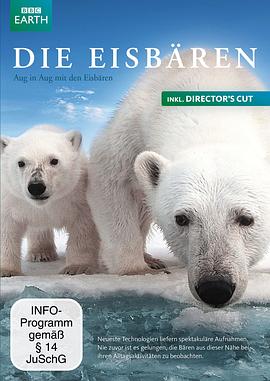
这部名为《北极熊:冰上侦探(Polar Bear: Spy On The Ice)》的纪录片将于29日在英国BBC1电视台播放。 北京时间12月28日消息,野生动物纪录片拍摄人员往往需要绞尽脑汁,不断增加拍摄方法的隐秘性,才能悄悄潜入到他们想要拍摄的动物世界里,窥探它们的一举一动,但是不要认为这些动物都很愚笨,下面的图片就是很好的证明。 获奖导演约翰·唐纳最近把他的遥控间谍相机装扮成一个大雪球,用来追踪一只北极熊母亲带着它的小幼仔穿过挪威斯瓦尔巴特群岛的海冰,寻找海豹的过程。但没想到的是,这种伪装并没能骗过附近的一只成年雄性北极熊的眼睛。它快速追上移动照相机,用大而有力的爪子对眼前的“雪球”进行一番摸索,让唐纳和他的制片人拍了一些特写后,很快把相机砸得粉碎。 但它并没就此罢休,它想都没想,又开始追赶唐纳的另一个价值10万英镑(15.45万美元)的暴风雪相机。这个相机上带有轮子,可以遥控操作,尽管吃了一惊的纪录片拍摄者设法遥控这个昂贵的设备逃跑,但是被激怒的北极熊一直穷追不舍,最后这只体重超过半吨的北极熊把第二个相机也砸得粉碎。 不过幸运的是,唐纳还有另一个相机,它记录了摄影设备遭袭的整个过程。北极熊毁掉两个相机后,慢慢变得平静下来。唐纳说:“好奇心得到满足后,这些动物开始表现正常起来。最终我们的间谍相机显示,北极熊的‘智慧和好奇心’是它们在海冰不断缩小的情况下继续幸存下来的关键。”
开幕式于2024年7月26日举行,计划在巴黎的标志性地标——埃菲尔铁塔前进行。此次开幕式的设计和理念与以往不同,主办方将开幕式的主要部分安排在塞纳河沿岸,旨在打破传统体育场馆的界限,打造一个开放的、面向公众的盛大仪式。 届时,运动员将乘坐船只沿塞纳河游行,这一创意既展示了巴黎的城市风貌,又能让更多观众近距离感受奥运会的开幕盛况。据悉,预计将有60多万人沿河观看这一独特的开幕式。 此外,开幕式将包括传统的文艺表演、烟花秀、以及奥运圣火的点燃仪式。法国总统和国际奥委会主席将出席并致辞,宣布奥运会正式开始。
【内容介绍】: 历史学家丹·斯诺穿上登山靴,带我们重走英国的大好河山,在如画的风景中挖掘诺曼祖先给我们留下的历史遗迹。从他们野蛮狂暴地登上英国海岸,到那些保存了千年的建筑遗迹...丹·斯诺会带领我们重温诺曼人的征服历程:登岸,侵略,征服,统治,殖民... 我们的探索从苏克塞斯郡的海岸线开始,征服者威廉与诺曼军队就是在这里首次踏上了英国的国土,为后来的黑斯廷斯战役做准备...威廉这次大举进犯的结果已是妇孺皆知,然而,在那场战争之前又发生了什么呢? 威尔士崎岖的地貌和当地彪悍的部落首领使得威尔士成为一片未开化的处女地...丹·斯诺将带领我们在曼诺河谷观赏那些诺曼时代拔地而起,鳞次栉比的城寨城堡。它们是男爵在国家开疆扩土行动中的手工产物,在这场行动中,诺曼人把自己的影响拓展到了威尔士和爱尔兰... 《诺曼行走》的最后一站来到约克郡,在诺曼人入侵四年之后,这里被残酷的大肆破坏,夷为平地,寸草不生...这种大规模的种族灭绝政策是诺曼人巩固英国统治的最后一步!我们这次将会揭秘,这里如何成为了诺曼人最大遗产的背景地... From 夏末秋字幕组