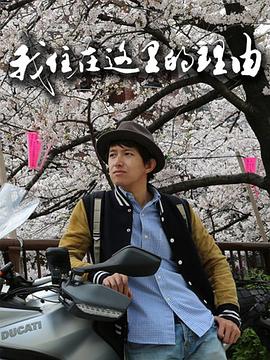
《我住在这里的理由》是通过演员阿部力拜访住在海外的中国人,来介绍世界各地风土人情的旅游式纪录片。拜访前,阿部只被告知了主人公所在的地点。这是一次完全没有台本的自由旅行。每个人在选择自己生活的地方时,一定有他(她)的理由。阿部力通过走访住在日本的中国朋友们,用他的视角来展现你所不知道的这个国度的风土人情。
BARÇA DREAMS is the most complete documentary ever to be made about the story of FC Barcelona, one of the top soccer clubs in the world, highly praised for its legendary figures like Leo Messi, the best footballer of all time, the prestigious coach Pep Guardiola, or the man who revolutionized this sport (soccer and football are used interchangeably throughout the entire text) with his innovative vision: Johan Cruyff. The film narrates the soccer club's long road to fame and acknowledgement, culminating in the generation of players of the stature of Leo Messi, Xavi Hernández and Andrés Iniesta, all of them trained in the famous school of La Masía. It also reveals the secrets of a powerful soccer club that causes admiration worldwide and is closely linked to the Catalan identity, making the motto "Barça: more than a club" a reality. It is a genuine emotional voyage to the heart and soul of the club which Joan Gamper, an undisputable sportsman, founded over a hundred years ago. It rekindles the dreams and ambitions of a long list of footballers who sought glory in one of the most admired soccer clubs in recent times.
深入记录这位格莱美音乐巨星最真实的个人经历。一头招牌红发的艾德·希兰由街头唱到世界巡回大舞台,他的成名故事又怎会简单?当事业正处于巅峰,妻子的健康却一落千丈、伯乐又突然离世,他用音乐陪伴自己渡过种种低潮。
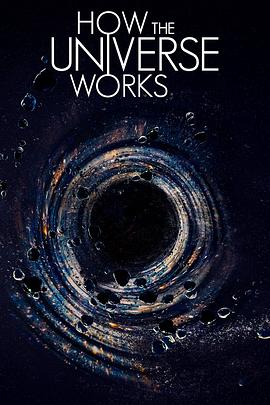
宇宙已经存在了好长一段时间,大约有137亿3千万年,误差也许可以加减个1亿2千万年。宇宙是如何组合起来的?它是如何建造的,它实际上是如何工作的?这些都是人类经常提出的问题。作为宇宙的一分子,我们都希望可以对这个神秘国度有更深入的认识。凭借一批专家和令人瞠目结舌的电脑三维动画技术,我们正在寻找一个最伟大的故事——关于我们和其他一切的起源的故事。美国探索频道的《宇宙有道理 第九季》要带领大家探究宇宙如何从无到有,从一个不起眼如针孔的小点演变成今日我们所看到的浩瀚宇宙。本片将为天文爱好者拆解种种谜团。 第1集 前进黑洞(上、下部 | 44分钟×2)(Journey to a Black Hole | 1h 24min) 第2集 彗星之旅(Mission to a Comet) 第3集 太阳的秘密(Secrets of the Sun) 第4集 微观世界的外星人(Aliens of the Microcosmos) 第5集 白矮星的诅咒(Curse of the White Dwarf) 第6集 星系之战(War of the Galaxies) 第7集 下一颗超新星(The Next Supernova) 第8集 中微子的秘密生活(Secret Lives of Neutrinos) 第9集 巨型黑洞的诞生(Birth of Monster Black Holes) 第10集 揭秘引力波(Gravitational Waves Revealed) 第11集 外星球的奥秘(Mystery of Alien Worlds)
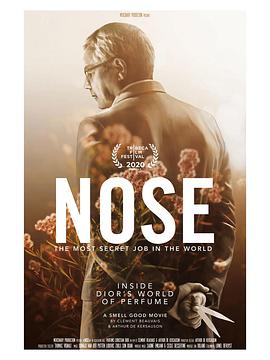
在这部“芳香馥郁”的纪录片中,Dior迪奥首席调香师François Demachy将带领观众深入探索香水制作的个中奥秘。自2006年起,电影制作人耗时两年之久,追随调香师走遍法国和世界各地,只为甄选优质原材料。影片介绍了投身保护香水制作的悦人馨香、精湛工艺和祖传技术的相关人士,歌颂美丽和自然的守护者。香水创作远非孤军奋战,而是才华横溢的有志之士共同努力的成果,而这其实也是调香师本人所诠释的香水奥秘的关键所在:“我最喜欢的工作内容是人类探险活动,是知识和见解的交流,同时也是我们对自然的热爱。”
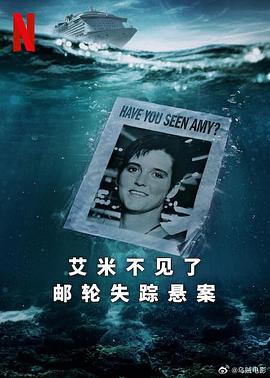
1998 年,一名 23 岁的女子在加勒比海游轮上失踪,她的家人坚持不懈地寻找答案。这部真实犯罪题材剧集对本案进行了探讨。
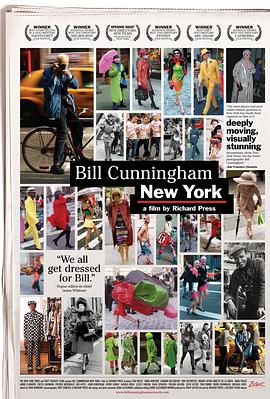
这是一部关于街拍鼻祖比尔·坎宁安(Bill Cunningham)的纪录片。已入耄耋之年的比尔依然是纽约时报的一名摄影师,拥有自己的板面专栏“On the Street”以及“Evening Hours”。他从六十年代起便一直沉迷街拍,并享受工作。在比尔的镜头下,不管你是上流名人、普通工人甚至是下城居民,只要你着装出位有个性,比尔都乐于捕捉你的美。几乎所有的时尚界人士都认识并尊重这位摄影顽童,就连著名时尚杂志Vogue的女主编安娜·温图尔(Anna Wintour)也说:“我们都为比尔着盛装。”然而,这样一位几乎把一生都献给了时尚且功不可没的老人,依然住在狭小工作室里,每天骑着自行车上街拍照,不过老人家却觉得这样最好,对他来说,拍照以外的任何事都无关紧要,能够自由地捕捉新鲜,才是他的追求。 本片推出后深受欢迎,先后在悉尼电影节、南塔基特电影节、墨尔本国际电影节和阿布扎比国际电影节上获最佳纪录片殊荣。
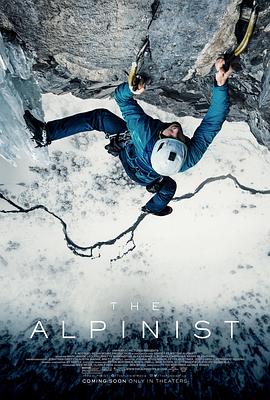
马克·安德烈·莱克莱尔独自攀登,远离聚光灯。这位23岁的自由主义者进行了历史上最大胆的单人攀登。没有摄像机,也没有失误的余地,莱克莱尔提供了一种单人冒险方式的精髓。
At the time of the Polish social regime, a security officer is promoted to work at a prison yard. Introducing concurrently with the narrator; he speaks of himself, his thoughts, his point of view. He tells that he is not afraid of bandits or gangs; on the contrary he gets a kick out armed conflicts. To get a start in his new duty, he shops for a watchdog; and he buys an untrained attack dog as his companion. Then he speaks of the adjudications that the death sentence for fugitives is lacking influence. From his point of view, the judicatory tribunal must execute the fugitives in public. In the morning the next day he wears his uniform and start working with pride. Whilst he is on his duty, a very harmonic music score begins to be played on the piano. The watchman spectates the peaceful life on the street. At that time we catch on that socialism is not a governmental regime; yet it's an uneducated behavior. As a final scene the watchman witnesses of a cadet school's pupils being taught of the democracy. He leaves us with a confused smile. A soft and likable thesis from the Polish director Kieslowski. You can find this short documentary as a special feature in his DVD of A Short Film About Killing. It could help you to compass his film language.
这部纪录片记录了防弹少年团(BTS)队长RM第二张个人专辑《Right Place, Wrong Person》的制作过程。它讲述了他二十多岁最后一个篇章的故事,因为他正在准备服兵役,并提供了一个深入了解金南俊生活的个人视角。影片《RM: Right People, Wrong Place》以怀旧感十足的颗粒感镜头开场。这是一部关于青春的编年史,时间跨度从2023年2月8日到2023年11月10日,每一部分都像日记条目一样注明日期,记录了“RM团队”项目的进展。在这个如同小型节日般的合作项目中,志趣相投的朋友们聚在一起分享汉堡和威士忌,RM或金南俊梦想着创作一张“完全属于自己的”专辑。影片跟随他前往无人认出的地方,摄影师如实捕捉下他的样子。《RM: Right People, Wrong Place》既是一部关于RM专辑制作的影片,也是对独特青春的一份特别记录。
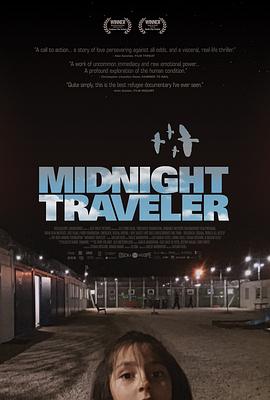
阿富汗导演 Hassan Fazili拍摄的作品,全片由三台手机拍摄完成,记录下镜头中一家人在3年多的时间里跨越3500英里却仍未完成的神奇旅程。
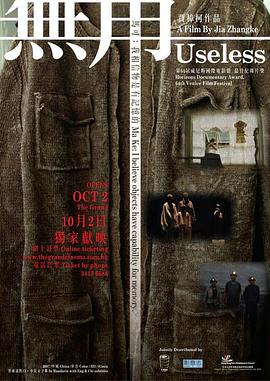
炎热潮湿的广州,某服装厂内,来自祖国各地的青年职工在喧嚣闷热的厂房中紧张忙碌。靓丽新潮的服装经一道道工序制作出来,行销各地。独立品牌EXCEPTION(例外)的服装也在此诞生;青年设计师马可与好友创立了别具一格的“例外”,她将自己对时尚、历史、文化的感悟全部融入服装设计之中。在即将到来的2007年巴黎时装周,马可带着“无用”系列来到这个时尚之都;远在千里之外的山西汾阳,由于服装工业化的批量生产,致使地层的个体成衣制作受到强烈冲击,有的人选择坚守,有的人则被迫改行,为了生计钻进漆黑危险的窑洞…… 本片为贾樟柯“艺术家三部曲”第2部(第1部《东》),并荣获2007年威尼斯电影节地平线单元的最佳影片。