这是一部迟到了很久的纪录片,记载的是1974年穆罕默德·阿里和乔治·福尔曼在前扎伊尔首都金沙萨进行的着名的“丛林之战”,居然还跟现场直播一样扣人心弦。胶片的仰视视角将阿里放大成了一个文化标记,但由诺曼·梅勒和乔治·普林顿撰写的犀利解说词则令他重返凡间。
In advance of the D-Day Landings, paratroopers from the US 82nd Airborne Division are dropped behind enemy lines to capture strategic positions. One such location is near the town of Ste Mere Eglise where American airborne troops fight Nazi forces for control of a bridgehead for three days, to prevent German reinforcements from reaching the beaches.
本系列节目要探索人类与大河系统的多变关系,指出生活在大河流域的数百万人,文化与生活如何受到这些河川影响。节目中将介绍全球最著名的六大河流:亚马孙河、尼罗河、密西西比河、恒河、长江与莱因河,寻找这些大河的源头、历史与变化。除了描述岸边居民的故事,认识与大河和谐共存的原住民、现代贸易商、艺术家与工匠,还将了解各大都会如何透过21世纪尖端科技,防止这些古老大河造成的水患。
Today, over 10% of the global population suffers from mental health problems. Three decades of collaboration between scientists and Buddhist scholars have revealed techniques that allow us to develop our mental well-being and improve the impact we have on our planet.
《Descendant》 带观众走近阿拉巴马州的小社区“非洲城”,听这里的成员分享个人和群体故事,她/他们的祖先曾经被押上历史上的最后一艘运奴船“克利提达号”,像货物一样从非洲被非法运往美国。数百年来,克利提达号的存在已是公开的秘密,如今这又得到一群海洋考古学家的证实。本片探索了这一发现对这群后裔的影响,她/他们将设法疏理过去,同时成为自己今后命运的主宰。
在这部深入的纪录片中,重温1999年心爱的电视节目主持人吉尔丹多令人震惊的谋杀案,这一案件继续使专家和公众感到困惑。
本片为独立纪录片导演蒋能杰留守儿童三部曲的第二部,另外两部分别为《路》和《加一》,蒋能杰致力于用影像关注社会,用镜头呼吁更多人关注留守儿童,重视乡村教育。 (有意观看高清版的,可联系本人微信:1714371600 (QQ) 本片荣获第三届 凤凰视频纪录片大奖 最佳纪录长片奖、法兰克福影展 一等奖。 2009年:首次走进村小,镜头记录临时学校的22个学生(其中17个为 留守儿童),同时关注村小艰难申请重建。 2010年:重建后的村小调来张老师教两个班,代课十几年的张老师老 为转正问题烦心和奔波,跟拍的留守儿童的学习、心理、生活也面临 着种种问题。 2011年:代课的 张老师因种种不满,已离开村小,跟拍的孩子们面临 的问题愈加严重。 2012年:由于媒体的力量,村小的物质条件有所改变,但好像无力改 善更多。 2013年:留守儿童生活看是没什么变化,其实在悄悄变化着。 2014年:又是一年春节,而跟拍的留守儿童家庭 …… 。 2009: First glance at the village school, in which the lives of 22 students including 17 left-behind children, together with the unsmooth application of the school’s reconstruction, were focused on. 2010: Teacher Zhang, a supply teacher with more than 10 years teaching experience, was assigned to the reconstructed school. While in charge of two classes, he was concerned about, and striving for the obtainment of permanent teaching status. Meanwhile, folks began to doubt on the quality of the school buildings, as the left-behind children were facing numerous problems in life, study and emotion. 2011: Mr. Zhang left the school out of dissatisfaction. After he left, the problems those left-behind children were confronting with became more serious. 2012: Thanks to the media, the material condition of the village school began to turn around. However, it still had a long way to go. 2013: The situation of those left-behind children seems unchanged, but it turned out to get changed day by day. 2014:As another Spring Festival comes, what is going on in those left-behind families?
罗曼菲,自大学时期翩然起舞、赴纽约学习现代舞、返台于舞蹈系培育提拔年轻舞者、担任云门舞集二总监、以迄学生布拉瑞扬在台东设立舞团。她的现代舞独树一帜,桃李天下、处处舞踏,「为了让多一点人跳,她为学生创作了多支大型舞作」。病痛临终她仍在彩排最后一支舞作,既是白蛇也是黑天鹅,一袭舞衣从黑褪淡至灰;当年一鸣惊人的《挽歌》里,她已永恒独舞,旋转不止。继两部文学纪录片之后,陈怀恩执导了此部舞蹈纪录片,呈现其对罗曼菲这位早逝的台湾舞者的不舍与呼唤,诉说她文学出身、翩然旋舞的一生。
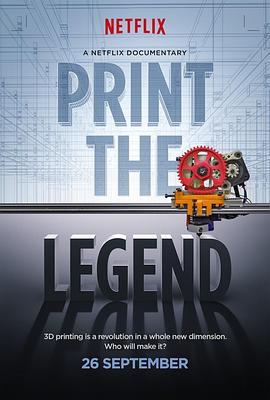
Follows the people racing to bring the hot new 3D printing technology to your home, documenting the "Macintosh Moment" of this revolution and exploring what it takes to live the American Dream.
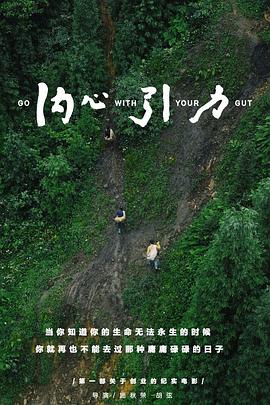
这部纪实电影围绕“永不违背内心”的主题,通过2年的跟踪拍摄,讲述了7位国内独立品牌创始人关于生活、关于创业、关于挣扎的故事。他们或卑微或渺小,遭遇的境况、事业发展的阶段也不尽相同,但不论身在何种现实的境遇,在追求理想和乌托邦的道路上,他们依旧遵从自己的内心,为未知前路的事业探索,因为他们知道人生不能重来,不能庸庸碌碌地活着。 影片由多位当今优秀的创业者真实出演:食材网店店主把文翰、先锋书店创始人钱小华、雕刻时光咖啡馆创始人庄崧冽、SoLife家具店创始人吴永红、加拿大班夫山地电影节中国区创始人Tina、服装品牌“例外”和公共空间“方所”的创始人毛继鸿、自由执业医生集团创始人张强。
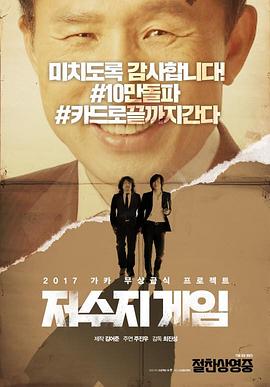
탐사보도 전문 ‘악마 기자’ 주진우가 누구나 알지만, 아무도 말 못하는 그분의 ‘검은 돈’을 찾고 있다. 해외를 넘나들며 그 돈과 관련된 연결고리의 실체를 추적해온 집념의 5년. 위험을 감수한 ‘딥쓰로트’의 제보로 드디어 그분의 꼬리 밟기에 성공하는데... “저 돈을 쫓아가 보면 XX의 돈이 있어” 파도 파도, 까도 까도 끝없는 검은 돈의 연결고리가 밝혀진다!
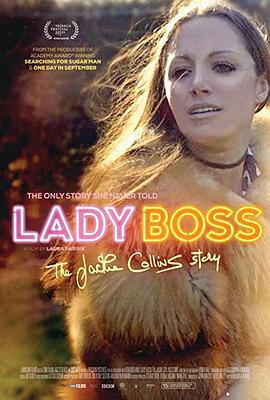
Literary phenomenon. Revolutionary storyteller. Feminist icon. Novelist Jackie Collins’ trailblazing and glamorous life is remembered and reconsidered in Laura Fairrie’s admiring documentary portrait.
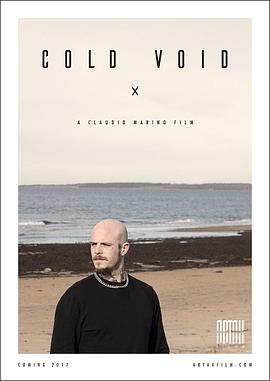
一部关于Shining乐队Niklas Kvarforth眼中的精神疾病的艺术短片,是对这位与自杀、吸毒和自毁主题密不可分的音乐人的个人展现。