影片根据真实事件改编,1983-2005年间,有许多平民在苏丹的战火中流离失所,幸存者被当时的援救人员称为“苏丹的迷途男孩”(Lost Boys of Sudan),其中有一部分人,后来以难民的身份来到美国。片中威瑟斯彭扮演的凯瑞,帮助四位苏丹难民寻找工作,为他们争取合法权益,想方设法让他们与亲人团聚,并同他们结下了深厚的友谊。 影片的导演,曾执导过《拉扎老师》的菲利普·法拉迪约,坚持到非洲实地拍摄,坚持让真正的苏丹人来演。片中的演员Ger曾在难民营生活多年,另一位来自苏丹的演员Emmanuel则表示,电影就像是在讲他自己的故事。
A bit of color for once, all the better to see the red flags with, not to mention the obvious aerial file footage of Warsaw. The story concerns Jozef Malesa, the mason or bricklayer of the title. He was once the darling of the party, the son of two old party activists, a worker of heroic reputation, his own commitment to The Movement unquestioned. He was chosen to be destined for great things, specially educated and pushed forward to positions of responsibility in the Party. Eventually he decides, because of the ethical pressures which he feels from the obstructionism of the bureaucracy from above, he asks to return to be a simple bricklayer. He is disturbed with the way the Party deals with people, especially their lack of direct contact. He thinks workers know better than the leadership many times but that's not the way power flows. He is uncomfortable with the compromises to his idealism. He remains committed to social justice and joins his friends for the May Day rally where his comfort and confidence in his place in society cause him to defer to no man, certainly no rat faced men in overcoats with red armbands. His great pleasure in life moreover is laying brick. He finds the work satisfying and fulfilling which is why he was such an obviously superior worker in the first place.
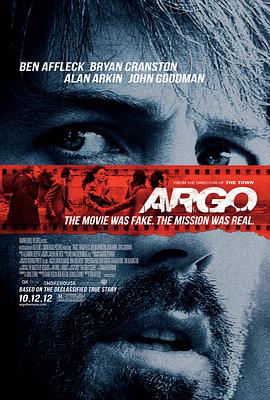
1979年11月4日,伊朗的革命军攻进了美国在伊朗德黑兰的大使馆,将大使馆的工作人员劫为人质。有超过50名人员被关押,但有6人逃脱,并躲在加拿大驻伊朗大使Ken Taylor(维克多·加博 Victor Garber 饰)的家里。CIA高层Jack O'Donnell( 布莱恩·科兰斯顿 Bryan Cranston 饰)找到专家Tony Mendez(本·阿弗莱克 Ben Affleck 饰),让他协助将那六个人带回美国。经过讨论后,CIA决定采取Tony的办法,以拍摄电影的名义,Tony到伊朗将那六个人带回。Tony联系了他在好莱坞的朋友,化妆师John Chambers(约翰·古德曼 John Goodman 饰),并联系了电影制片人Lester(艾伦·阿金 Alan Arkin 饰)。Tony在许多剧本中选中了《ARGO》,一部和《星球大战》极为类似的电影。于是他作为制片人带着剧本和各种道具前往伊朗,找到了那六个人,开始了艰苦的逃离德黑兰之路...... 本片根据真实故事改编,获得第85届奥斯卡最佳影片、最佳剪辑、最佳改编剧本等3项大奖。
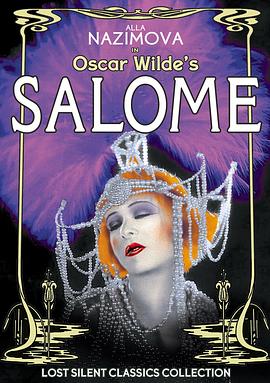
Salomé (1923), a silent film directed by Charles Bryant and starring Alla Nazimova, is a film adaptation of the Oscar Wilde play of the same name. The play itself is a loose retelling of the biblical story of King Herod and his execution of John the Baptist (here, as in Wilde's play, called Jokaanan) at the request of his stepdaughter, Salomé, whom he lusts after. Salomé is often called one of the first art films to be made in the U.S.[citation needed] The highly stylized costumes, exaggerated acting (even for the period), minimal sets, and absence of all but the most necessary props make for a screen image much more focused on atmosphere and on conveying a sense of the characters' individual heightened desires than on conventional plot development. Despite the film being only a little over an hour in length and having no real action to speak of, it cost over $350,000 to make. All the sets were constructed indoors to be able to have complete control over the lighting. The film was shot completely in black and white, matching the illustrations done by Aubrey Beardsley in the printed edition of Wilde's play. The costumes, designed by Natacha Rambova, used material only from Maison Lewis of Paris, such as the real silver lamé loincloths worn by the guards. No major studio would be associated with the film, and it was years after its completion before it was released, by a minor independent distributor. It was a complete failure at the time and marked the end of Nazimova's producing career. A longstanding rumor, which seems to have started while the film was still in production, suggests that its cast is comprised entirely of gay and bisexual actors in an homage to Oscar Wilde, as per star and producer Nazimova's demand. It is, of course, impossible to say, but one of the extras in Salomé reported that a number of the cast members—both featured and extras—were indeed gay, but not an unusual percentage of them, and certainly not all of them. What can be said is that Nazimova herself was a lesbian, the two guard characters (who, next to Salomé, have the most screen time) are at least played very stereotypically gay, and several of the female courtiers are men in drag. Salomé was screened in 1989 at the New York International Festival of Lesbian and Gay films and in 1990 at the New York Gay Experimental Film Festival. In 2000, the United States Library of Congress deemed the film "culturally significant" and selected it for preservation in the National Film Registry.
一场蓝藻爆发,引发了一个几百万人口城市的饮水危机。当市民们还在抢购纯净水,沉浸在没水喝的恐慌之中时,市领导立即将切肤之痛化为铁腕治污行动,于是,关闭所有污染企业,彻底淘汰落后产能的战役率先在桃江市全面打响。 自封是桃江“河长”的老厂长张清水(牛犇饰)极力要制止儿子张秋江(吕良伟饰)的非法排污行为,身患绝症后仍誓死守望“母亲河”。 桃鑫化工厂不仅是桃江市的利税大户,而且热衷公益事业,市里的幼儿园、敬老院、学校、医院都经常得到该企业的捐助。 然而,桃鑫化工厂也是远近闻名的排污大户,虽然投入数百万元购置了进口的污水处理设备,但由于污水处理成本高,谋取高额利润的个人欲望驱使他们通过地下暗道,每天深夜偷偷向桃花江江心排污,而桃江的水直通桃湖。 桃鑫化工厂董事长张秋江的父亲张清水觉察到儿子的不法行为,开始明察暗访,调查企业的排污情况,引起儿子的不满。就在父子矛盾加剧时,张清水病倒了,经诊断为癌症!但身患重病的他仍念念不忘保护桃江,他对儿子说:“我就是一名自封的河长”。 终于,不堪重负的桃湖蓝藻爆发,引起了全市几百万人的水危机。市政府和环保部门在采取紧急措施解决市民饮水问题的同时,果断决定关闭、淘汰、转产所有污染企业,市长黄建华对企业家们说:“如果群众连干净的水都喝不上,我们赚那么多钱干什么?如果桃湖死了,我们就是千古罪人!” 为了彻底阻止桃鑫化工继续排污,张清水带病在儿子的女友陈晨(周显欣饰)医生的帮助下,深夜划小木船到江心取证,而他的这一举动却被该企业副总发现,夜幕下,副总驾驶摩托艇到江心驱赶…… 《河长》电影2009年开机拍摄,该剧演绎了扑朔迷离的排污罪行,大义灭亲的举报壮举,将父子情、恋人情交织在罪与责之中,揭示出金钱、道义、利益、生命孰轻孰重的浅显道理。 本期专题独家采访了参与《河长》电影拍摄的部分演员、导演、编剧及制片人,从他们的言谈中,体现出了他们对当下环境的关注。
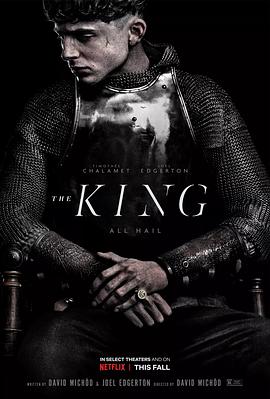
蒂莫西·柴勒梅德将加盟新片[兰开斯特之王](The King,暂译),出演男主角年轻的亨利五世。亨利五世为英格兰兰开斯特王朝国王,在他短暂的九年统治期间,他取得了中世纪任何一位英格兰国王都未取得过的军事辉煌。本片由布拉德·皮特公司Plan B制作,大卫·米奇欧德([动物王国])执导,米奇欧德也将与乔尔·埃哲顿担任编剧,计划6月开机。
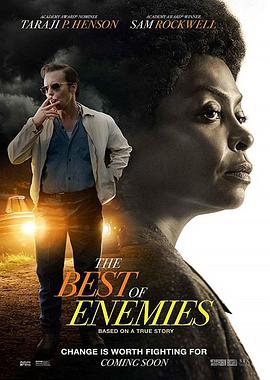
STXfilms拿下塔拉吉·P·汉森和山姆洛·克威尔主演新片《最佳敌人》(The Best of Enemies)的北美发行权,Babou Ceesay(《侠盗一号》)、安妮·海切(《危险机密》)、韦斯·本特利(《美国恐怖故事》)、布鲁斯·麦克吉尔(《妙女神探》)、小约翰·加拉赫、尼克·西塞等参演。制片人罗宾·比塞尔(《饥饿游戏》《琼斯的自由国度》)首执导筒,并根据Osha Gray Davidson所著书籍改编剧本。 汉森饰演北卡罗来纳州达勒姆的民权活动家Ann Atwater,与3K党领导者C.P. Ellis(洛克威尔)进行了为时10年的斗争,直到1971年,两人同意共同主持一个为期两周的社区会议,以应对法院命令的学校废除种族隔离法令。这场会议改变了他们的生活。
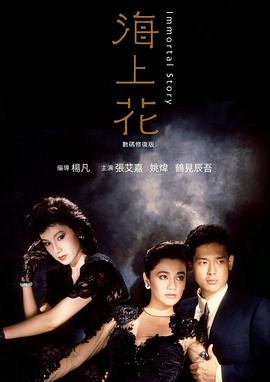
由澳門的一宗命案開始,名妓張美玲(張艾嘉)被發現在酒店房中刺殺了前度男友中村(鶴見辰吾)。在審判的過程中,發現了中村與美玲十年前的一段不可告人的往事,更發現美玲與夜總會經理白蘭(姚煒)之間曖昧的關係,而白蘭中村亦為了美玲而造成終身遺憾的錯誤。 《海上花》是楊凡導演的影片中戲劇原素最豐富的一部,其中有刻骨銘心的異性戀,有曖昧纏綿的女同性戀,有販毒與吸毒者的矛盾,有妓女與鴇母之間的衝突。 女主角張艾嘉在本片中的表現被譽為當年最優雅的演出,日籍男主角鶴見辰吾以極其浪漫的姿態風靡不少女性觀眾,而姚煒則成為中國電影史上女同性戀的經典人物。 主題曲:《海上花》則囊括幾乎當年所有港臺音樂大獎,並成為詞曲羅大佑、主唱甄妮音樂事業上的新里程。
该片以红河哈尼梯田这一世界遗产的传承、保护和利用作为主要叙事内容,将乡村振兴的表达植入其中,在开发与保护二元对抗性母题结构下,讲述了致力于哈尼梯田保护工作的“姐姐”揭开旅游公司诺玛项目违规开发和破坏自然生态的真相,最终用哈尼族传统文化的魅力重新凝聚了“妹妹”和“村民”的故事。
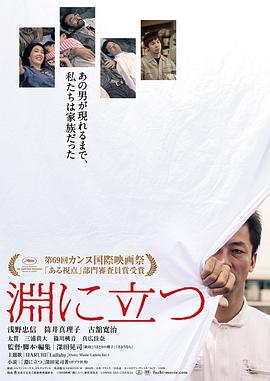
利雄(古馆宽治 饰)和章江(筒井真理子 饰)结婚多年,共同养育着女儿萤(筱川桃音 饰),虽然生活平静毫无波澜,但夫妻两人之间早已经没有了感情的交流,仅仅维持着婚姻的空壳。利雄的朋友草太郎(浅野忠信 饰)出狱后来到利雄的工作室干活,寄宿在利雄家中。一边是冷淡的丈夫,一边是和善温柔的同居人,内心空虚而又寂寞的章江很快就在草太郎的攻势之下沦陷了。 然而,当章江拒绝了草太郎的求欢后,草太郎便就此失去了踪迹,而萤亦遭遇了意外,余生唯有在轮椅上度过,利雄和章江不知道草太郎到底去了哪里,只知道萤的意外和草太郎有着脱不了的干系。
女英雄惠英红能打够飒。