影片根据纽约记者苏珊娜·卡霍伦个人传记改编,讲述她自己从医院醒来后失去了所有记忆,时而出现各种幻觉,时而爆发癫痫,在一位医生的帮助下,她鼓起生活的勇气,开始寻找失去的记忆……
大正时代革命家大杉荣和围绕他的2个女人…女权论家神近市子和革命家伊藤野枝.这3人的爱恨,最终在1616年神近杀死大杉的[日荫茶屋事件].之后研究现代事件的女大学生永子靠自己的想象.把事件展现给观众.于是大杉,做为神近做模特的正冈逸子和野枝出现了.不久2个故事就想白日梦似的在时空中交叉出现.
《浪荡世代》、《秘窗》莎拉阿伦领衔主演。爱丽丝长期遭受丈夫的暴力对待,某次因自卫误杀了丈夫,从此逃走并改名再婚。过了一阵子安稳日子后,亡夫老朋友却找上了门来,并宣称他知晓一切……。
京京跟着梅干阿叔从北京来到景颇山,认识了麻双奶奶的孙子小泥猴。妈妈要进森林工作,京京为妈妈送行,他含着泪大声喊:“妈妈!”山里远远响起回声。麻双奶奶告诉他这是应声阿哥在呼唤。京京害怕大黑牛,不愿意跟牛在一个水塘里洗澡。京京有漂亮的衣服、小人书和玩具。但他只把电子遥控小汽车让小泥猴一人玩。京京的香蕉口琴丢了,硬赖别人偷了。他蛮不讲理地摔坏了小泥猴的木“汽车”,并且同小泥猴打了一架,小泥猴和其他小朋友都不理他了。京京在森林里迷了路,应声阿哥的喊声救了他。从此京京变了,他不怕大黑牛了,还采蘑菇卖了给大黑牛买红糖,他还学会了背水、打草。大黑牛临产,麻双奶奶让京京和小泥猴找梅千阿叔帮忙。聪明的小泥猴在山顶上呼喊:“梅干阿叔!”山里响起了“梅干阿叔”的喊声。对面传出梅干阿叔的回答。京京终于明白了是谁把他救出了大森林,是谁在关心他,帮助他。京京要回北京了,他把玩具都送给了小朋友,也接受了他们送的礼物。京京跑上山顶跟应声阿哥告别,带着应声阿哥的祝福回北京去了。
少年铁木真随父亲——乞颜部落首领也速该(Ba Sen 饰)远行,为了平复与仇敌蔑儿乞人之间的恩怨,也速该希望儿子选择蔑儿乞人的女儿为妻,而铁木真却选择了弘吉剌部落首领的女儿孛儿帖,并承诺五年后前来迎娶。归途中,也速该死于敌人塔塔儿人的毒酒,部落的牛马和牧民也被叛徒虏去。铁木真从少年时起便经历了人生困苦,他一面和母亲四处漂泊,一面躲避着仇家的追杀。 长大成人的铁木真(浅野忠信 饰)依然生活在刀光剑影之中,纵然朝不保夕,他仍记得与孛儿帖的约定,终于将孛儿帖(Khulan Chuluun 饰)迎娶回家,生活开始出现转机。然一场灾难尾随而至,蔑儿乞人为报当年仇恨,射伤铁木真,虏去孛儿帖。伤愈的铁木真只得求助好友札木合(孙红雷 饰)…… 本片荣获包括2008年亚洲电影节最佳配角奖(孙红雷)、2007年俄罗斯金鹰电影节最佳服装设计和最佳音效在内等国际电影节11个奖项。
龙飞(金志洙 饰)、尚宇(金俊勉 饰)、都满(金喜赞 饰)和智孔(柳俊烈 饰)是从小玩到大的好友,彼此之间感情十分要好。毕业之后,四人选择了各自不同的未来,踏上了属于他们自己的人生旅途。 尚宇决定参军入伍,临行之际,几位好友决定结伴来一场释放青春之旅,然而,在旅途中,四人意外邂逅了一名身陷险境的陌生女子。无法对其坐视不管的四人向女子伸出了援手,哪知道竟然被卷入了麻烦之中,成为了警方调查的嫌疑对象,并且将此事告诉了四人各自的父母。在亲人的干预之下,四个年轻人之间开始了相互的猜忌,坚实的友情渐渐产生裂痕。
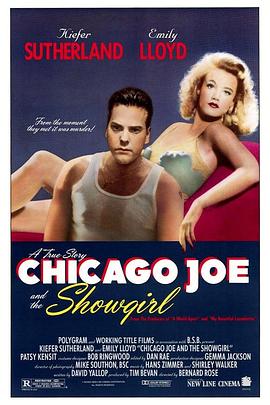
影片根据1944年发生在伦敦的一个真实的谋杀案件改编。1944年,二战末期,来自美国芝加哥的瑞基艾伦少尉,盗窃了一车武器,在伦敦黑市进行交易,在那里,他偶然结识了伦敦剧场一个演员乔伊娜,乔伊娜说服瑞基与她一起做无本买卖,开始时是抢劫计程车,后来变成杀人越货,最后难逃法网,瑞基被判处了死刑,乔伊娜幸运地逃出了鬼门关...
玛莉与丈夫是住在英国的传统穆斯林,恩爱相依四十载,毫无预警之下,丈夫突然离世。曾经他们拥有一个孩子,有过一家三口的日子,如今只剩她孤身一人。伤痛尚未消失,玛莉竟意外发现了陌生女子的照片及暧昧对话纪录。循线前往一海之隔、相距三十四公里远的法国加莱,在那里,她找到了另一个与丈夫同居多年的法国女子,而对方不仅不认得玛莉,甚至不晓得她们共有的男人已不在人世。阴错阳差,玛莉成了对方的帮佣,不仅踏进了对方的小屋,也进入了丈夫的秘密生活。
故事发生在90年代的纽约,结束研究生学业后,梦想成为作家的乔安娜(玛格丽特·奎利饰)被玛格丽特(西格妮·韦弗饰)雇佣为助手,后者是J·D·塞林格(J.D.Salinger)的文学经纪人,以保守和老派著称。乔安娜白天在一间豪华的木镶板办公室里工作,晚上和她信仰社 会主义的男友在布鲁克林一间破旧的公寓里过夜。她的主要工作内容是处理塞林格大量书迷的邮件。当细细阅读来自世界各地令人心碎的信件时,她不愿意用格式化和没有人情味的回复去搪塞书迷,并冲动地开始带着自己的感情回复邮件。这些邮件既幽默又感人,乔安娜在借用伟大作家的声音说话时,同时探索着属于自己的声音。
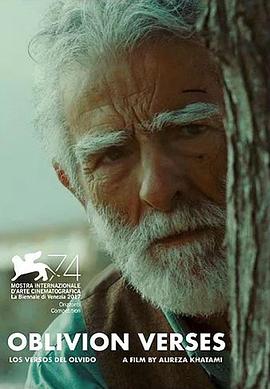
The elderly caretaker of a remote morgue possesses an impeccable memory for everything but names. He passes his days showing corpses to those searching for their lost ones and tending to his beloved plants. When protest in a nearby city breaks out and the militia covertly raid the morgue to hide civilian casualties, he discovers the body of an unknown young woman. Evoking memories of personal loss, he embarks on a magical odyssey to give her a proper burial with the help of a mystic gravedigger who collects stories of the dead, an old woman searching for her long-lost daughter, and a hearse driver tormented by his past.
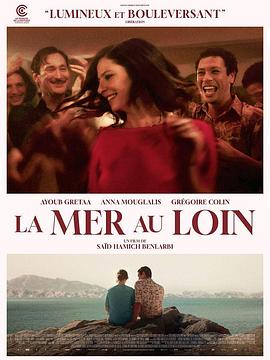
The story revolves around 27-year-old Nourqui who has immigrated illegally to Marseille and who gets by on petty crime, living a marginal and festive life with his friends. From 1990 to 2000, Nour loves, grows older and clings to his dreams, damaged by the melancholy of an irreversible exile...
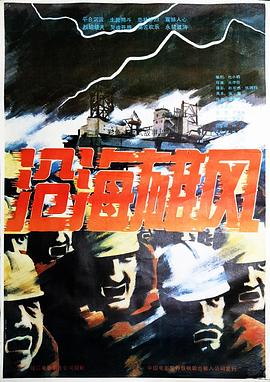
南方海洋石油公司与某外国石油公司共同开发南海石油,梁海、郑大潮一批钻井工人登上海豚号平台,给外国老板打工,梁海与公司翻译沈晴相识,并产生好感。郑大潮因替工友韩大可打抱不平,被炒了工作,后又回到平台工作。台风到来之际,梁海、平台总监安德森让郑大潮领众人撤退,他们坚守在岗位上,最终英勇牺性,郑大潮和战友们含泪纪念海上的英灵,一场新的向海洋石油的进军开始了
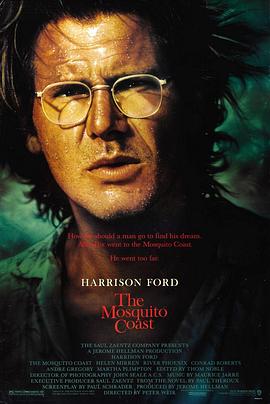
发明家福克斯(Harrison Ford 饰)出色的创造力令长子查理(River Phoenix 饰)深深崇拜,但愤世嫉俗的性格让他难容于人,有感美国社会堕落,福克斯携一家五口远赴蚊子海岸,在那里买下了河道边的荒凉村落杰瑞尼莫,要开辟出自己的乌托邦城市。福克斯一家与当地黑人合力,很快建造出了全新的村镇中心,他们有了水力驱动的洗衣机、灌溉系统,福克斯制作了庞大的制冷设备,将现代文明引入蛮荒,河上游的斯帕尔德牧师对福克斯的无神论大为光火,但却无能为力。不久,三名持枪歹徒闯入福克斯的村子,为将他们赶走,福克斯将劳动成果毁于一旦。为防止家人返回美国,福克斯谎称美国爆发了核战,满怀幻灭感的一家人在河道上飘荡之际,福克斯发现了斯帕尔德的教堂……