1970年代传奇摇滚乐手丹尼柯林斯(阿尔·帕西诺 Al Pacino 饰)在经历人生低潮时,经纪人(克里斯托弗·普卢默 Christopher Plummer 饰)发现了一封40年来从未送达的信,这封信居然来自披头士主唱约翰·列侬,在40年前写给当时19岁的他,这让他再度受到启发,毅然决然地离开现在奢华的生活,踏上寻找生命意义的旅程,而他也在这段旅程中收获了真爱和消失已久的创作灵感……
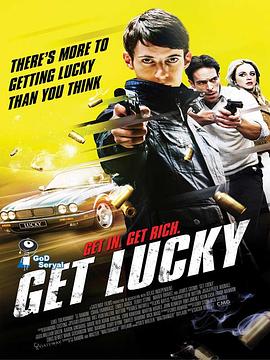
幸运是个不起眼的罪犯,一直以来他的幸运日子还算过得去,直到他同意帮一个深陷法律纠纷的朋友照看一笔假钞... 他的朋友两个月来一句交代都没给,于是幸运为了避免麻烦缠身就烧了那些“好玩的钱”,结果却导致火灾被送去了急诊室,在那儿他邂逅了布里奇特,并深深的被其吸引,同时对方也愿意跟他一起出去,他们的约会还算顺利,直到被蒙面人五花大绑蒙塞进车后备箱中,似乎他们想要回从幸运朋友那买的那些假钞,不然幸运就会和他的朋友有相同的下场死掉。 于是幸运的幸运与昔日旧友策划了打劫赌场的方案,与他们搭伙的还有一对夫妇,而这对夫妇竟是帮赌场主人“大先生”收取保护费的手下,想捞点外快。 抢劫计划万事俱备只欠东风:只有少量的现金,而其余的都是债券.....
大唐年间,建王李勇伙同奸相马立夫趁天子病危之际,软禁太子李春,把持了朝政,并欲密谋政变。金吾卫将军林燕和九门总捕头陈利被卷入到这场诡谲的漩涡之中。林燕只得孤身试险,凭借高超的武艺连夜劫牢搭救受困太子,险些丧命。
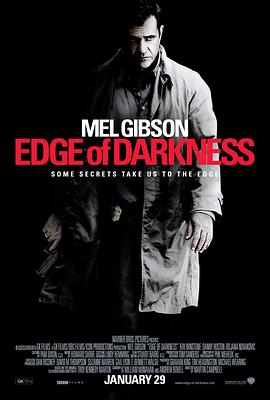
《黑暗边缘》根据1985年BBC六小时的迷你剧集改编。波士顿警局的凶杀案侦探托马斯·克莱文(梅尔·吉布森 Mel Gibson 饰),作为一名单亲父亲他对24岁的女儿疼爱有加,但天有不测风云,一天女儿被人杀死在自己家门前的台阶上。托马斯认为杀手真正的目标是自己,固执的他一头扎进这个案子中,但随着调查的深入他发现女儿的被害其实另有隐情,在案件背后是整个政府系统的腐败。
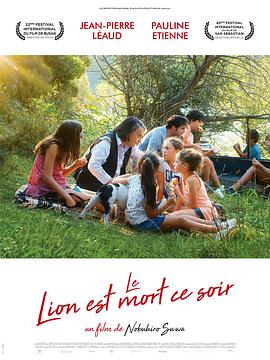
大半生在银幕上历遍人间生离,年逾古稀却怎也无法在镜头前演出死别一刻。趁剧组停拍,资深演员到蔚蓝海岸探望故友。来到荒废大宅,偶遇拿着摄影机拍鬼片的孩童,唤起《四百击》(1959)男孩与电影初邂逅的情缘;梦回与貌美如昔的情人灵魂相遇,重拾一生铭记的爱恋。生命将尽之际,终领悟怎样与死亡共存。诹访敦彦给法国新浪潮的情书,让特吕弗与戈达尔爱将让-皮埃尔·利奥德,将前世今生铭刻于光影里。且唱一阕狮子的挽歌,化作生命礼赞,伴随梦去。
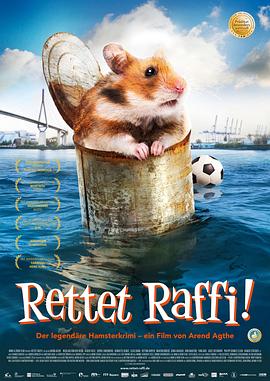
该片讲述了一个八岁的小男孩山姆,寻找他丢失乐的宠物的故事。爸爸不在他的身边,所以作为礼物的小仓鼠在山姆眼里显得格外珍贵。 当然这并不仅仅是一个小男孩找仓鼠的故事,坏人总能想到办法丰富起一个故事。这只命途多舛的小仓鼠其实还身怀绝技,这让刚刚从监狱种出来的洛基看出了它的潜在价值。就这样,一个小男孩和一个罪犯之间的斗智斗勇就围绕着一只可爱的仓鼠展开了...
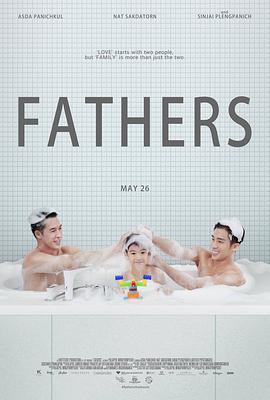
两个爸爸的故事,动人呈现。Phoon和Yuke一起接近13年,更领养了一名孩子,让他能有一个健康的环境成长。当他们的养子开始入学之后,同学经常取笑他没有妈妈,令他非常苦恼。他开始向两名爸爸,发问大量有关妈妈的问题,儿童保护组织更提出了令人难堪的建议。为了孩子的快乐,两名 爸爸必须作出一个令自己难过的选择。
A Mexican boy smuggles himself to Brooklyn to meet his long-lost father - only to have his identity stolen upon arrival by an impostor who seeks to steal the fathers' fortune.
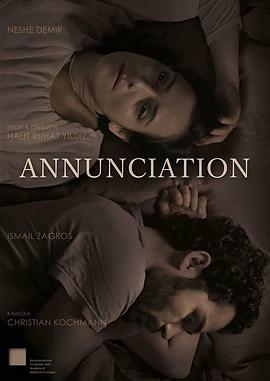
尽管妻子渴望孩子,年轻丈夫却希望借她之腹,以胚胎移植的方式诞下因癌症离世的前未婚妻的后代。围绕着婚姻危机中的女主角面临的个人、法律和道德困境,影片一方面通过生殖科学技术的伦理尺度讨论了由此限制母亲身份的特殊社会环境,也开放性地表达了母子之间的生物学关联是否作为“母爱”概念的必要前提的质疑。该短片入围2017年学生奥斯卡最佳外国剧情片奖,是土耳其导演哈利特•伊兹在科隆媒体艺术学院(KHM)的第二部短
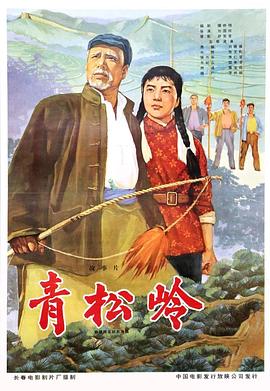
北方某山区,青松岭生产大队。清晨,年轻姑娘秀梅(刘晓梅 饰)和青年大虎(王友来 饰)偷偷把生产队的大车赶出来练车,不料马惊了,多亏饲养员张万山(李仁堂 饰)拦住惊马,才没发生意外。车把式钱广(李树楠 饰)挑唆秀梅的哥哥大队长周成(张宝茹 饰)不让年轻人学赶车,结果助长了钱广的威风。新任党支部书记方纪云(朱龙广 饰)来到青松岭后,发现周成只抓生产,缺乏政治头脑,就决心把鞭杆子从钱广手中夺过来,掌握在自己人手中。不久,村里成立了赶车训练班,请万山大叔手把手教青年人学赶车。钱广对此怀恨在心,在辕马跑的浑身是汗时,故意给马饮水,结果马病了,他把责任推到秀梅身上。爱马如子的万山大叔精心喂养病马,终于把马治好了。马车又奔跑在社会主义大道上。
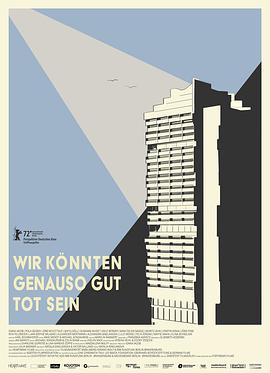
2022柏林电影节「德国视点」(Perspektive Deutsches Kino) 单元开幕片。 The skyscraper on the edge of the forest is known for its carefully selected house community. When a dog disappears, the security officer Anna has to fight the irrational fear of the residents. The utopia with a view of the forest is slowly unravelling.
他曾经是一名受人尊敬的外科医生,如今试图恢复记忆并找回已不记得自己的女儿。改编自塔德乌什·多莱加·莫斯托维奇的小说
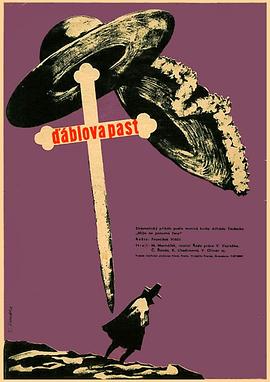
In the time of Counter-Reformation, a miller and his son come under investigation by a priest of the Inquisition, when rumors spread that their prosperity comes from working with the Devil. The Devil's Trap is a film directed by František Vlá?il, based on a novel by Alfréd Technik, adapted by František A. Dvorák and Miloš Kratochvíl. It was the first of three historical dramas that Vlá?il made during the Czech New Wave (technically he isn't really a part of the New Wave, however these films were made during the same era of artistic freedom), preceding his more well known Marketa Lazarová (1967) and Valley of the Bees (1968). Set in the late 16th Century during the Catholic Reformation, in the Moravian Karst, situated in what is now the Eastern Czech Republic, it tells the tale of a miller (Vítezslav Vejrazka), and his son Jan (Vít Olmer), who come under suspicion and are investigated by a Jesuit priest of the Inquisition (Miroslav Macháchek), when rumors of witchcraft are spread by the local regent (Cestmír Randa), who is jealous of the miller's prosperity and degree of respect among the local populace. As expected from Vlá?il, this film is a stunning experience all the way through. From the opening shot, an ominous manipulation of perspective with a close up of a mangled figure of Christ dominating the foreground against a tiny figure in black walking along the horizon, to the breathtaking confrontational finale inside the vast stalactite filled Karst caverns, it is a wonderful display of visual mastery. Maybe not quite as impressive as Marketa Lazarová, but still full of astonishing imagery. As seen from unique angles and distinct points of view which highlight the director's remarkable sense of awareness of framing, motion, and positioning on the emotional and dramatic tone of the scene. The most memorable being a repeated shot where the camera is suspended and launched with speed through the air towards the miller's door. The story here is a simple one and I would say more accessible than his later works. With a conventional structure emphasized as much by its plot and characters, than by its expressionistic cinematography or authentic historical detail. The events play out without much surprise, and there is a strong underlying, almost supernatural, mysterious aspect that is left unresolved, in fact barely explored, which is slightly disappointing, but only because it's so fascinating that I wish there was more. Acting is great all around. Particularly the villains: Miroslav Macháchek as the priest, casting a sinister and imposing shadow wherever he goes, and Cestmír Randa as the weasel like regent behind all the persecution. While Vít Olmer brings a charismatic leading man presence in his role as the miller's son Jan, in love with the lovely orphan girl Martina (Karla Chadimová), who becomes a dangerous object of rivalry between Jan and other young men of the village. The film also features the evocative music of Zden?k Liška (perhaps the most prolific composer of the Czech New Wave). In this his second of eleven collaborations with Vlá?il, his compositions are used sparingly, but to great effect, complimenting but never overpowering a scene. The best example of which can be heard in an amazingly shot celebration and dance sequence at the end of the second act. The Devil's Trap might not be a masterpiece, but it is still a strong effort, with a fascinating straightforward story and a glorious historical setting captured beautifully by Vlá?il's unmistakable visual prowess. A fine work that would also be the perfect starter plate to prepare yourself for the challenging feast of Marketa Lazarová or The Valley of the Bees. It even has an easy to digest running time. It's therefore puzzling why this gem remains largely overlooked and ignored.