讲述一群人因生命中各有损失而生活互相关联。
2012坎城影展/2012土魯斯影展最佳影片/2012利馬拉美影展最佳攝影、評審團特別獎, 全片运用诗意缓慢的镜头语言来捕捉苍凉的世界尽头,幽微的景物无声地控诉战火的残酷 受戰火波及無家可歸的少女到人煙稀少的湖畔投靠伯父,在近乎遺世獨立的荒地上,女孩默默地幫忙修繕伯父無人來訪的民宿,試圖找回生命的步調。暮光中,年輕船夫向女孩提出遠走天涯的邀約;夜色裡,伯父的眼光窺視著女孩身軀,在這看似寧靜無事的世界盡頭,曖昧情愫潺潺流動。一切卻在伯父離家多年的兒子歸來後,平靜的表象開始漸漸破滅崩壞。 全片運用詩意緩慢的鏡頭語言來捕捉蒼涼的世界盡頭,幽微的景物無聲地控訴戰火的殘酷,哥倫比亞境內的印第安原住民不僅面臨文化失傳的難題,擁有一片能夠安身立命的淨土更是遙遠的夢想。印第安民族關於村落、神祇、英雄們的神話與傳說,幾個世紀以來經由口述的方式,流傳在座落於安地斯山脈周邊的寧謐湖泊,而這些迷人的拉美湖泊正是導演威廉維加創作這個故事的靈感起源。《薄霧微光》是他為長年歷經內戰、飽受苦難的族人們所譜寫的生命之詩。
表面看来,杰奇(帕姆·格里尔 Pam Grier 饰)是一名普通的空姐,然而,在暗地里,她一直利用职务之便,帮助军火商奥德尔(塞缪尔·杰克逊 Samuel L. Jackson 饰)运送赃款,并从中获取暴利。一次意外中,杰奇的“生意”曝光了,她本人亦遭到了逮捕。得知此事,奥德尔派出了马克斯(罗伯特·福斯特 Robert Forster 饰),想要杀人灭口。 让奥德尔没有想到的是,马克斯竟然疯狂的爱上了杰奇,两人一拍即合,策划了一场阴谋将奥德尔耍得团团转,甚至派出了心腹梅兰妮(布里吉特·芳达 Bridget Fonda 饰)和路易斯(罗伯特·德尼罗 Robert De Niro 饰)助其一臂之力。然而,当奥德尔发现自己受骗之时,他才发现,事态的发展早已经脱离了他的掌控。
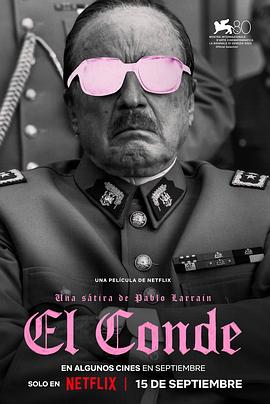
故事智利独裁者奥古斯托·皮诺切特展开,他并没有死,而是成为了吸血鬼。在这个世界上呆了250年之后,自身耻辱以及家庭冲突所带来的疾病,令他决定永远地死去。
由密契尔·鲍威尔等三位导演联合执导的一部历久弥新的神话片。故事取材于阿拉伯神话,内容大致描述一个会妖术的奸相贾法,用阴谋诡计把巴格达城的阿麦王拘禁起来,然后自号为王。阿麦后来得到同牢的小神阿菩相助而逃走。贾法为了得到公主,把阿麦变成瞎子,并把阿菩变成一条狗。最后得巨人相助,终于射杀贾法,让阿麦重新成为巴格达城的国王。导演手法相当统一流畅,而且对光影的运用别有一手。此外,本片有很多建筑宏伟的布景和模型,运用起来都很恰当,交互剪接之后也没有什么明显的破绽。
赛车手阿浪(邓超 饰)一直对父亲(彭于晏 饰)反对自己的赛车事业耿耿于怀,在向父亲证明自己的过程中,阿浪却意外卷入了一场奇妙的冒险。他在这段经历中结识了一群兄弟好友,一同闯过许多奇幻的经历,也对自己的身世有了更多的了解。
影片以中国舞为重要元素,讲述一场误会使得中国舞班晚会节目无人指导,组织能力较强的苏筱悠与班长王语熙担起重任,带领班级同学积极面对危机,勤学苦练、互相鼓励,最终在毕业晚会上出色的完成了毕业表演的故事。本片用校园生活中的小乐趣与小感动讲述了大众级的青春励志故事,既包含人物在校园的逗趣生活、动人友谊,也不乏他们勤学练功、奋发图强的赤子之心,啼笑皆非的同时令人细思和回味人生的意义。故事简单、真实、清新,既展示了融合中华民族艺术精髓的中国舞,令人赏心悦目,又鼓舞观众要锲而不舍地追求梦想,勇于克服一切困难,实现个人价值,将自己培养成时代所需要的创造性人才,成为国家人才队伍中积极的一份子。
Olga and Maks are 15 years away. She is a successful woman with an established position, the mother of an adult daughter, he is a handsome young man who enjoys his life in a handful and lives only in the moment. It might seem that these two different worlds will never meet, and yet fate put them in the way.
该剧根据大门刚明的同名小说改编,由搭档饰演因父亲去世而离散的兄弟两。一个是充满热血的刑警哥哥川上佑介,一个是冷静沉着的精英检察官弟弟唐泽真佐人。两人一边互相碰撞一边逼近某个疑难案件的真相的故事。
根据王峰原著改编。 清代同治末年,朝廷腐败,官场更加黑暗。“杨乃武与小白菜”的“奇案”就发生在这时的浙江省余杭县。余杭县知县刘锡彤之子刘子和看中豆腐房葛小杜之妻毕秀姑。她容貌甚美,绰号“小白菜”。刘子和贪恋姿色,暗用迷药玷污了葛毕氏,毒死她丈夫葛小杜。案发后,刘锡彤为开脱儿子罪责而陷害新科举人杨乃武。皆因杨乃武曾与葛毕氏相识有情,并给葛小杜治病,刘锡彤便买通师爷钱如命,用“移花接木”之计,嫁祸于杨。懦弱无知的葛毕氏被百般威逼欺哄,诬杨乃武为奸夫,杨乃武“被屈打成招”定为“谋夫夺妇”之罪。余杭县生员不服,上诉至杭州府,但因知府宝贤与刘锡彤是儿女亲家。徇情得贿,仍酷刑枉断,杨乃武遂冤沉海底。众生员仗义扶危,再至浙江巡抚杨昌溶府衙鸣冤。葛毕氏痛悔自己放真凶,污良善,企图翻供。怎奈三大宪俱已受贿,官官相护,贪赃枉法,葛毕氏翻案不成反受酷刑旷世奇冤活路断,铁案铸成何能翻?杨乃武胞姐杨淑英曾在刑部尚书夏同善府中做过绣娘。为弟伸冤,千里跨涉赴京求援。时正值清室东宫与西宫互争权势,西太后之心腹醇亲王欲乘机除去东宫之亲信杨昌漕,因而接受杨淑英状纸,将全案人犯与原审官员提京勘审。但由于刘锡彤再逼葛毕氏,致使刑部大堂未能审出真相。于是夏同善设“密室相会”之计,使葛毕氏与杨乃武倾吐实情,招出真凶。杨乃武三载冤狱才获昭雪。
Nassim是巴黎一所重点高中的优秀学生,他看上去和同伴们一样无忧无虑。没人怀疑他身处何种现实。他刚刚失去自己的母亲,每晚回到寄养中心,尽管中心的主任非常和善,他还是拒绝融入到中心的年轻人中去,就像一位走钢丝的演员一样,Nassim在两种生活中周旋,他竭尽全力不让它们相遇…… Nassim est en première dans un grand lycée parisien et semble aussi insouciant que ses copains. Personne ne se doute qu’en réalité, il vient de perdre sa mère et rentre chaque soir dans un foyer. Malgré la bienveillance de la directrice, il refuse d’être assimilé aux jeunes de ce centre. Tel un funambule, Nassim navigue entre ses deux vies, qui ne doivent à aucun prix se rencontrer…
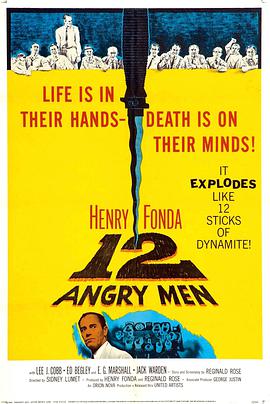
一个在贫民窟长大的18岁少年因为涉嫌杀害自己的父亲被告上法庭,证人言之凿凿,各方面的证据都对他极为不利。十二个不同职业的人组成了这个案件的陪审团,他们要在休息室达成一致的意见,裁定少年是否有罪,如果罪名成立,少年将会被判处死刑。 十二个陪审团成员各有不同,除了8号陪审员(H enry Fonda 饰)之外,其他人对这个犯罪事实如此清晰的案子不屑一顾,还没有开始讨论就认定了少年有罪。8号陪审员提出了自己的“合理疑点”,耐心地说服其他的陪审员,在这个过程中,他们每个人不同的人生观也在冲突和较量……©豆瓣
大学生王翼虎(王逸飞饰)开学第一天就整蛊了撞到自己的两名同学而一举成名,还因此结识了三个好友:御姐黑客张悦(马梦圆饰);张悦的校花闺蜜唐莹莹(王潇饰);电子器材达人李安然(李金龙饰);状元血统出身的学霸赵伟(刘鑫辉饰),并成为了亲密无间的好朋友。毕业前,几个人为了帮助唐莹莹摆脱追求者徐东宇(陈晨饰)的纠缠,设计徐东宇,让他在应聘之时出糗,失去了宝贵的工作机会,此后积怨多年。毕业后,莹莹却意外地选择了跟当初厌恶的徐东宇走在一起。已经鲜有交集的几人却因已为人妇的校花唐莹莹遭遇变故,聚在一起帮助她用以盗治盗的方式设计保险公司骗取赔偿。正当胜利在望,众人欢喜之时,却不料背后隐藏着更大的阴谋。