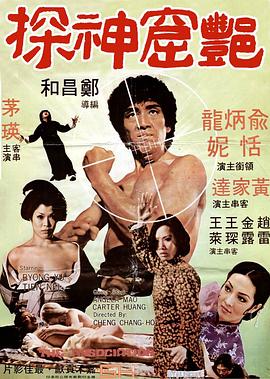
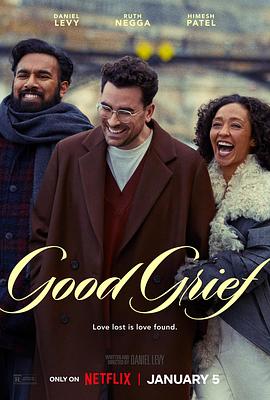
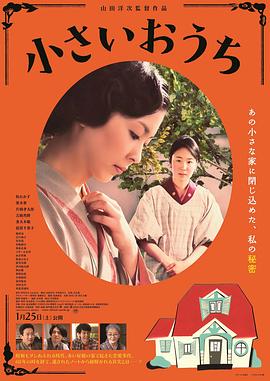
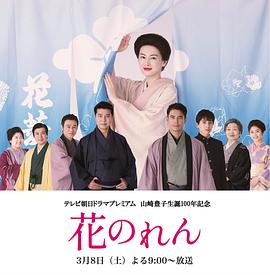
1989年印尼西爪哇省,憤怒青年阿久四處找人挑釁較量,只為證明自己的陽剛男子氣概,藉以掩飾羞恥的性無能。直到他遇見帥氣剽悍的功夫女保鑣苡登,不打不相識的相遇,折服不只衍生愛意,亦蔓延出恐懼。一首首情歌勇於表白真心、一張張烘焙紙傾訴情意,阿久是否能回應苡登的心情,找回自己的平靜?而兩人所需克服的,還有更巨大的創傷過去……。
洛奇(保罗·纽曼 Paul Newman 饰)出生在位于纽约的一个非常贫困的家庭之中,他的父亲曾经梦想成为一名拳击手,但可惜窘迫的生活条件让这个梦想最终化为了泡影,于是,这个失落的男人只能整日生活在郁郁寡欢之中,靠着酒精排遣内心的不满。 荷尔蒙爆棚的洛奇整天在大街上打架惹是生非,这让他和父亲之间的关系变得非常的糟糕。某日,洛奇得到了军中长官的赏识,在长官的鼓励之下,他决定去拳坛一试身手,因此意外发现了隐藏在基因里的天赋,从此走上了拳击的道路。拳击不仅拯救了洛奇,以化解了他和父亲之间长久的仇恨。
2012坎城影展/2012土魯斯影展最佳影片/2012利馬拉美影展最佳攝影、評審團特別獎, 全片运用诗意缓慢的镜头语言来捕捉苍凉的世界尽头,幽微的景物无声地控诉战火的残酷 受戰火波及無家可歸的少女到人煙稀少的湖畔投靠伯父,在近乎遺世獨立的荒地上,女孩默默地幫忙修繕伯父無人來訪的民宿,試圖找回生命的步調。暮光中,年輕船夫向女孩提出遠走天涯的邀約;夜色裡,伯父的眼光窺視著女孩身軀,在這看似寧靜無事的世界盡頭,曖昧情愫潺潺流動。一切卻在伯父離家多年的兒子歸來後,平靜的表象開始漸漸破滅崩壞。 全片運用詩意緩慢的鏡頭語言來捕捉蒼涼的世界盡頭,幽微的景物無聲地控訴戰火的殘酷,哥倫比亞境內的印第安原住民不僅面臨文化失傳的難題,擁有一片能夠安身立命的淨土更是遙遠的夢想。印第安民族關於村落、神祇、英雄們的神話與傳說,幾個世紀以來經由口述的方式,流傳在座落於安地斯山脈周邊的寧謐湖泊,而這些迷人的拉美湖泊正是導演威廉維加創作這個故事的靈感起源。《薄霧微光》是他為長年歷經內戰、飽受苦難的族人們所譜寫的生命之詩。
四个不同行业的年轻人在禹城这个富饶美丽的大城市为了各自的事业努力奋斗,坚持不懈,最后终于成就各自事业的励志故事。只身来到禹城做植益酸奶厂的送货司机,认识了送餐员赵大春和在烧烤店的庄帅,几个人在拼闯事业的道路上磕磕碰碰,历经磨难。一次旅游观光,王禹邂逅了漂亮聪慧,在商务宾馆老板帮助下组建旅游团赚取学费的大学生刘丹丹,因为她很少回家照顾身体羸弱的母亲,心脏病突发被王禹无意中救助,从此他经常帮助老人而受到老人的喜欢,在四个年轻人为了爱情,为了事业饱受磨难的时候,刘阿姨伸出援手帮助王禹实现他们的理想,拿到植益经销权。王禹和赵大春事业有成,并抱得美人归。
十四岁的努尔正在法国南部享受暑假,他是四兄弟中最小的一个。他们一起住在市政厅,轮流照顾昏迷的母亲。母亲曾经喜欢意大利歌剧,所以努尔为她演奏,并培养了对这种音乐的热情。在社区工作和家里日益紧张的气氛之间,努尔梦想着逃离到一个遥远的地方。当他遇到一位教暑期课程的歌剧歌手莎拉时,他终于找到了走出困境并探索新视野的机会。
Two women spend a weekend together at the North Sea. Walks on the beach, fish buns at a snack stand, mobile weather forecasts. Sky, horizon, water. One of them will soon return to her family in Argentina while the other one will try to come a step closer to the ocean. She travels to the Caribbean and the foreign makes her vulnerable. Then, the land is out of sight. On a sailing vessel she crosses the Atlantic Ocean. One wave follows the other, they never resemble. Thoughts go astray, time leaves the beaten track and the swell lulls to deep sleep. The sea takes over the narration. And when the other one reappears in it, the wind is still in her hair while the ground beneath her feet is solid. She returns and the one of them could ask: "Have you changed?
Salomé (1923), a silent film directed by Charles Bryant and starring Alla Nazimova, is a film adaptation of the Oscar Wilde play of the same name. The play itself is a loose retelling of the biblical story of King Herod and his execution of John the Baptist (here, as in Wilde's play, called Jokaanan) at the request of his stepdaughter, Salomé, whom he lusts after. Salomé is often called one of the first art films to be made in the U.S.[citation needed] The highly stylized costumes, exaggerated acting (even for the period), minimal sets, and absence of all but the most necessary props make for a screen image much more focused on atmosphere and on conveying a sense of the characters' individual heightened desires than on conventional plot development. Despite the film being only a little over an hour in length and having no real action to speak of, it cost over $350,000 to make. All the sets were constructed indoors to be able to have complete control over the lighting. The film was shot completely in black and white, matching the illustrations done by Aubrey Beardsley in the printed edition of Wilde's play. The costumes, designed by Natacha Rambova, used material only from Maison Lewis of Paris, such as the real silver lamé loincloths worn by the guards. No major studio would be associated with the film, and it was years after its completion before it was released, by a minor independent distributor. It was a complete failure at the time and marked the end of Nazimova's producing career. A longstanding rumor, which seems to have started while the film was still in production, suggests that its cast is comprised entirely of gay and bisexual actors in an homage to Oscar Wilde, as per star and producer Nazimova's demand. It is, of course, impossible to say, but one of the extras in Salomé reported that a number of the cast members—both featured and extras—were indeed gay, but not an unusual percentage of them, and certainly not all of them. What can be said is that Nazimova herself was a lesbian, the two guard characters (who, next to Salomé, have the most screen time) are at least played very stereotypically gay, and several of the female courtiers are men in drag. Salomé was screened in 1989 at the New York International Festival of Lesbian and Gay films and in 1990 at the New York Gay Experimental Film Festival. In 2000, the United States Library of Congress deemed the film "culturally significant" and selected it for preservation in the National Film Registry.
意大利人民反抗侵略,战争场面拍的相当宏大,各种优美流畅的长镜头,演员表演内敛自然,这部电影标志着意大利的电影人已经掌握了非常娴熟全面的电影技艺,被誉为当时意大利电影的最高成就丝毫不为过
Creation Stories tells the unforgettable tale of infamous Creation Records label head Alan McGee; and of how one written-off young Glaswegian upstart rose to irrevocably change the face of British culture.
本片讲述了情圣肖珅跟美女作家丁小桃之间阴差阳错的爱情故事。向来闲庭信步游走于不同女人之间的肖珅,因为一时疏忽,误打误撞被病号车送进了精神病院。想尽各种办法逃离精神病院的肖珅没有想到,进来容易出院却比登天还难。莫名其妙开始精神病院生活的他,不仅认识了众多“奇特”的朋友,也遇到了令他心动的女孩丁小桃。影片通过肖珅屡次企图“飞跃疯人院”的情节为主要线索,讲述了一段无厘头的爆笑故事。影片在令人啼笑皆非的同时向观众阐述了在当下浮躁的社会中,只有以诚相待,志同道合的人才能打破重重阻碍,最终走到一起。
民国年间,上海大元银行遭遇四名匪徒抢劫,银行背后的老板燕大帅下令掘地三尺也要将钱追回。此时,在街头卖艺糊口的龙一金小螃蟹兄妹和神秘的女侦探艾琳遇到了奄奄一息的银行劫匪铁虎。铁虎声称被自己人出卖,临终前拿出一把钥匙并告诉三人去寻找胡家戏班班主。三人为求赏金,决定携手合作,而燕大帅及其子燕少的追杀,胡班主的被擒,甚至艾琳的神秘身份,都令他们陷入了危险的困境。
影片由一系列失踪、杀人、强奸、绑架等案件引出故事,作为警察的李楠一直头疼侦破线索无法找到。直到多人被绑架后,和李楠关系最亲密的王医生在绑架现场发现了一种致幻药物,关键时刻唤醒了次人格分裂的李楠,从而牵连出一场隐埋了三十年之久的仇恨大阴谋。三十年前,李楠亲生母亲美芬和亲生父亲郝爱国私通奸情生下了自己,然而郝爱国因为要与自己不爱但有家势的女人结婚,怕美芬影响自己的仕途而准备将其送出偷渡。没想到随后美芬被两渔民强奸,一时绝望的美芬跳海自杀,留下小李楠被神秘黑衣人偷抱回家抚养长大。黑衣人本与美芬青梅竹马,但被郝爱国陷害毁容,并趁机夺走占有了美芬。仇恨的种子使得黑衣人怀恨于内心深处,无意间发现美芬被渔民强奸时也咬牙狠心没管,抱走小李楠抚养后,从小让其服用一种致幻的药物,导致李楠长期不自觉的出现幻视幻听幻觉,甚至开始人格分裂。三十年后,在黑衣人潜藏的仇恨和阴谋下,一场连环绑架犯罪拉开序幕......
莎莉·霍金斯、基里安·墨菲、渡边谦、拉菲·卡西迪将担任动画影片[岛王](Kensuke's Kingdom,暂译)配音。影片故事根据迈克尔·莫波格同名小说改编,讲述麦克坐船环游世界途中,他和小狗史特拉被风浪扫落大海。靠着一个足球,他们漂浮到一座荒岛。荒岛上住着一个二次世界大战因船难流亡的日本老兵健介。[淘气大侦探]动画师尼尔·鲍伊、柯尔克·亨德瑞执导。